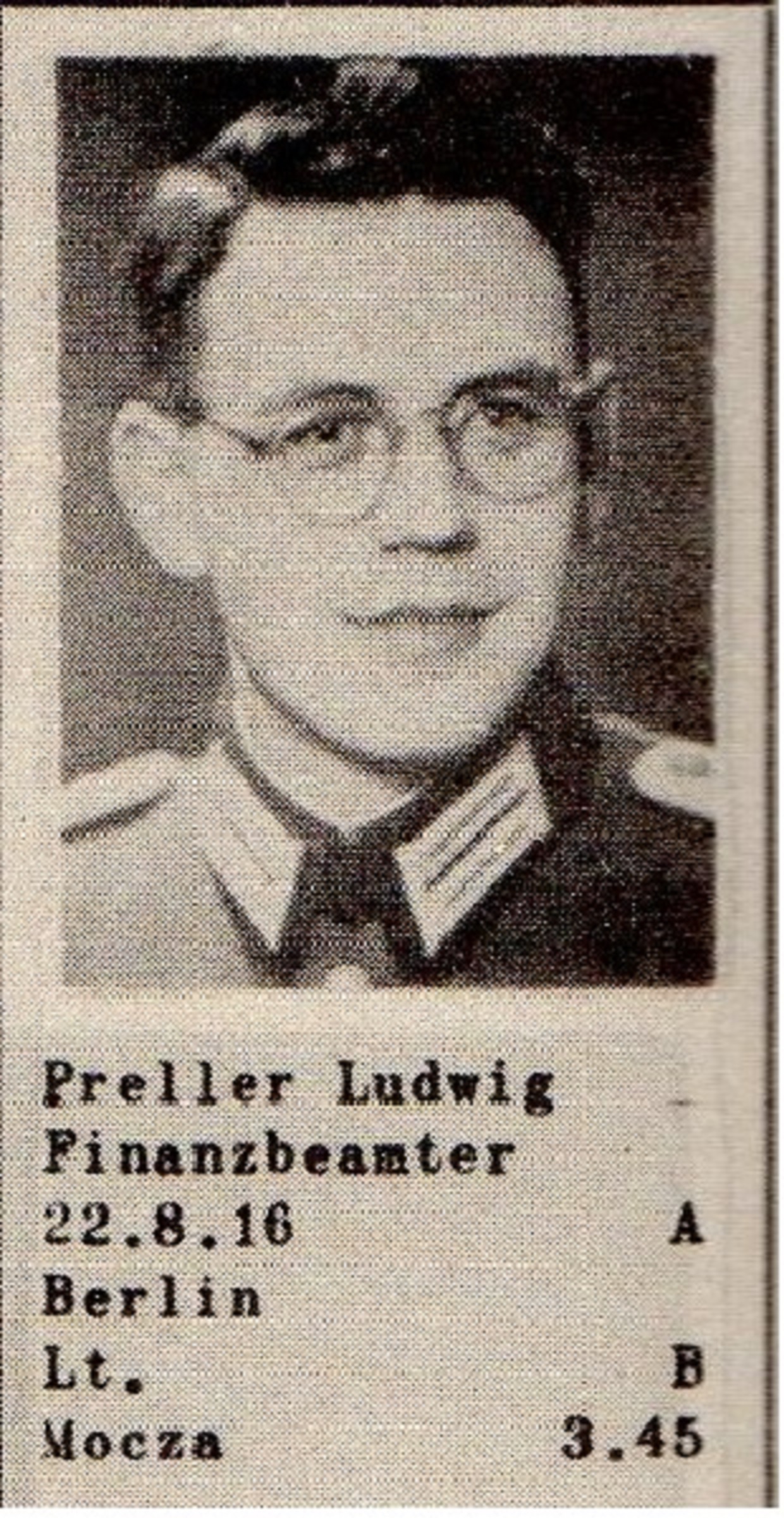
My German grandfather was reported missing in action a few weeks only before the end of the war, in Western Hungary (March 1945). Finding a relative missing in action during WWII – on any side of the conflict – is quite a challenge. All I knew from the family is that my grandmother had hoped for some time that he had survived his wounds sustained during a Soviet offensive and that he might have been taken into captivity. But a search with the German Red Cross (DRK) a few years after the war stayed fruitless. I present here some of the information obtained through the Deutsche Dienststelle/WaSt (Wehrmachts Auskunftstelle – Information service of the Wehrmacht established during the war) and the Volksbund Deutscher Kriegsgräberfürsorge (German war graves commission) together with some results from my own internet searches.
The DRK has him registered (follow link) as part of I. Bataillon of the 870. Grenadier Regiment, with the above photograph alongside those of other members of that batallion reported missing.
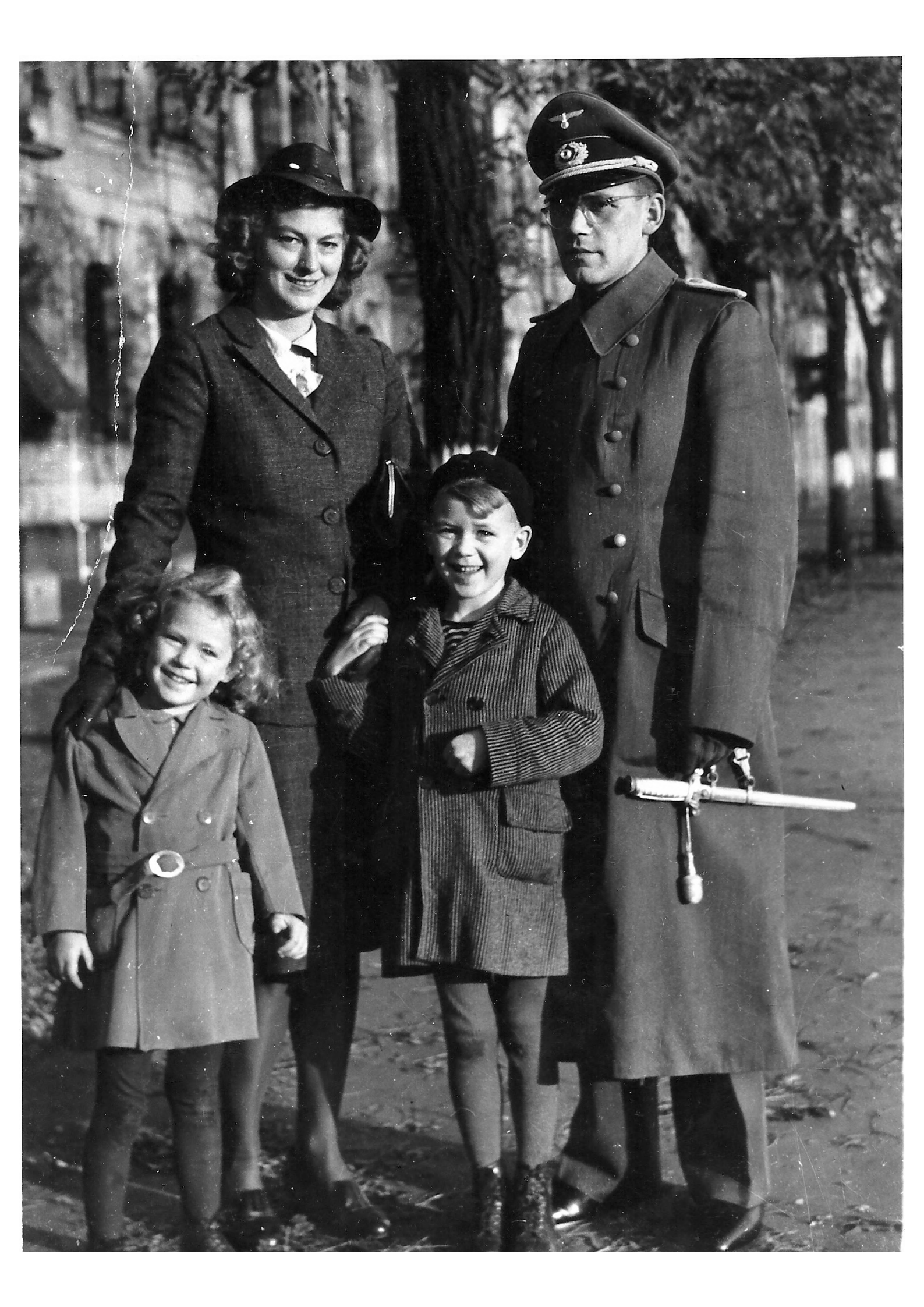
He was last seen on a motorbike on his way to deliver a message to or from staff when he was heavily wounded. At the time he was serving in the Grenadier-Regiment 870 which belonged to the 356. Infanterie-Division. This division was positioned west of Székesfehérvár/Stuhlweißenburg, north of lake Balaton (Plattensee) in March 1945. Military action in this region in March 1945 was part of Hitler’s last ever offensive: Operation Frühlingserwachen (Spring Awakening). As was typical of Hitler’s suicidal drive and his vengeance on the German people and soldiers themselves in the final weeks of the war, casualties were massive and pointless. Many didn’t awake any more from this “Spring awakening”. My grandfather was one such victim.
In the WaST report, it says there has been no declaration of death or of him missing in action. However the Volksbund has him down in the memorial book of the Budaörs cemetery west of Budapest (http://www.volksbund.de/kriegsgraeberstaette/budaoers.html) as missing in action with the following personal details:
Nachname: Preller
Vorname: Ludwig
Dienstgrad: Hauptmann
Geburtsdatum: 22.08.1916
Geburtsort: Fürth/Bayern
Todes-/Vermisstendatum: 03.1945
Todes-/Vermisstenort: Ungarn westl. von Budapest
The location of Mocsa/Mocza mentioned on the photograph from the VBL (Vermissten Bild Liste of the German Red Cross) would be of the last place he would have been seen in action – so probably about where he was wounded.
Here a couple of links to maps of locations of: Székesfehérvár (German: Stuhlweißenburg) and Mocsa.
Bohdan Bobrowski, a relative of Jan Bobrowski who was a driver in the Stab of V. FIB 999 on Lemnos in 1944 (same unit my grandfather was in), recently visited the cemetary and sent photos of some of the graves of unidentified soldiers there.
Early Life and Military trajectory
Born in 1916, my grandfather grew up as an orphan in a religious institution, with his three brothers. He finished his Abitur (Highschool) in 1937 in his home town Fuerth (Northern-Bavaria or rather Franconia, as the family would usually specificy). This is where he had met Irmgard Puff (renamed Herrmann), in 1933 or earlier and whom he later married in 1938 after his Arbeitsdienst (Hitler’s “national work service”) and her Maedelsdienst time (the young women’s equivalent). He went through military training (1938-1939) in Wünsdorf training school near Berlin, where he was integrated into the Panzer-Lehr-Regiment (an unit that had participated in the Spanish Civil War, hence he got to wear the “Spanien-Armband” on his uniform, although he himself didn’t go to Spain (as far as we know). My grandmother Irmgard joined him there in Wünsdorf (near Berlin where part of the relative on her side, the Mahir branch of her mother’s family lived) and that’s where they married a few months before their first child, my late oncle Adolf († 2022) was born. The regiment’s officer apparently held the ceremony or at least signed the marriage certificate.
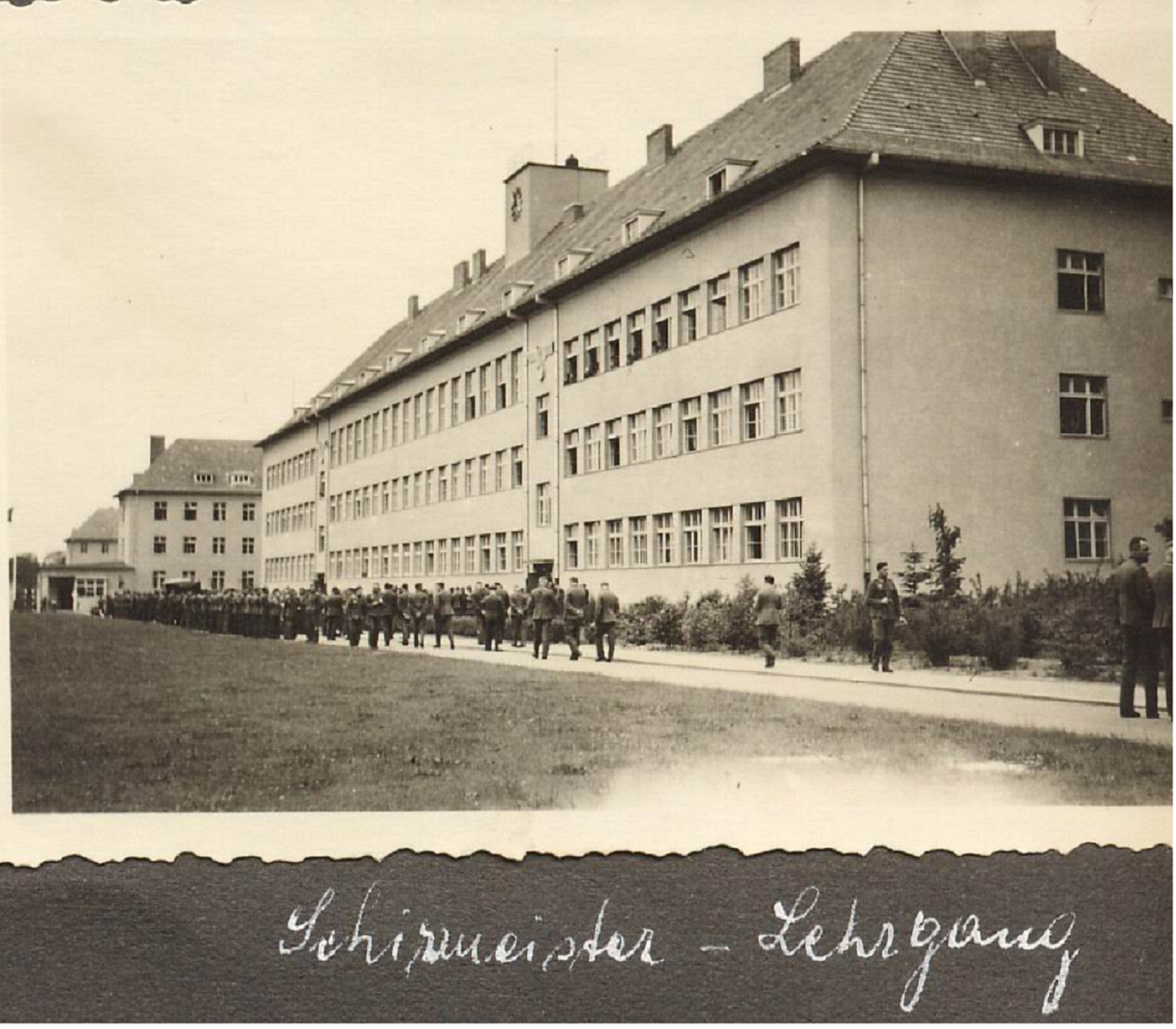
Below, in German, the information of his military trajectory sent to me by the Deutsche Dienststelle/WaST service in 2012:
Ludwig Preller, geboren am 22 August 1916 in Fürth, Bayern
Dienseintritt: 04.11.1937
Erkennungsmarke: -130 – 8./Panz.Lehr-Rgt.
Dienstgrad: Leutnant
Hemeitanschrift: Ehefrau Irmgard Preller, Fürth, Tannenstr. 6Truppenteile:
04.11.1937 14. Kompanie/Infanterie-Regiment 63
lt. Meldung v. 19.09.1940 8. Lehrkompanie/ Panzer-Lehr-Regiment
lt. Meldung v. 07.06.1941 4. Kompanie/Infanterie-Regiment (motorisiert 900)
16.12.1941 Genesenden-Kompanie/Panzer-Jäger-Ersatz-Abteilung 3
15.03.1942 Restkommando II./Panzer-Lehr-Regiment
03.09.1942 1. Kompanie/Panzer Grenadier-Ersatz-Bataillon 8
25.09.1942 Stamm-Kompanie/Panzer Grenadier-Ersatz-Bataillon 8
Abgang: 14.11.1942 zur Verfügungs-Kompanie 233
26.11.1942 Stamm-Kompanie/Panzer Grenadier-Ersatz-Bataillon 8
lt. Meldung v. 05.05.1943 Stab III./Afrika-Schützen-Regiment 963
27.07.1943 20. Kompanie/Festungs-Infanterie-Bataillon 999
lt. Meldung v. 02.10.1944 Stab V./ Festungs-Infanterie-Bataillon 999
20.11.1944 Stab/Feld-Ersatz-Bataillon 356
Zugang: v. Führer-Reserve-Heeresgruppe C
Abgang 11.12.1944 zum Grenadier-Regiment 870Lazarettaufenthalte:
16.10.1941 in Malizkaja schwer verwundet;
an Haupt-Verband-Platz abgegeben,
17.10.1941 in Kriegslazarett 906 aufgenommen: Pistolenschuss-
Verletzung am linken Schulterblatt, (this field hospital was in Vitebsk, Belarus).
29.10.1941 verlegt ins Reserve-Lazarett Rastenburg,
08.11.1941 verlegt ins Reserve-Lazarett Wernigerode,
02.12.1941 dienstfähig- zur Truppe entlassen.Eine Vermissten- bzw. Gefangenen- oder Todesmeldung liegt nicht vor.
Some links relating to locations in the above Laufbahn (trajectory):
About the Infanterie-Regiment (mot) 900: http://www.lexikon-der-wehrmacht.de/Gliederungen/Infanterieregimenter/IR900-R.htm
and about the battle of Wjasma (which is probably where Malizkaja lies, the place where Ludwig Preller was wounded): http://de.wikipedia.org/wiki/Doppelschlacht_bei_Wjasma_und_Brjansk
http://de.wikipedia.org/wiki/Doppelschlacht_bei_Wjasma_und_Brjansk
About the “Spring Awakening” offensive in the Ballaton area:
http://diepresse.com/home/zeitgeschichte/4680171/Fruhlingserwachen-1945_Hitlers-letzte-Offensive
Other related websites/links to find those killed or missing in action from Germany:
The missing persons photograph list of the German Red Cross (Vermissten Bildliste): https://www.drk-suchdienst.de/de/angebote/zweiter-weltkrieg/vermisstenbildlisten-%E2%80%93-online
http://www.wehrmacht-awards.com/forums/showthread.php?p=5395024
The German war graves commission’s search for missing soldiers link: https://www.volksbund.de/graebersuche.html
Map of the German invasion of USSR: http://upload.wikimedia.org/wikipedia/commons/1/15/Invasion1941.jpg (Credit: The Department of History, United States Military Academy)
Related articles
- Seven Decades After World War II, the Search for Germany’s War Dead Continues (warhistoryonline.com)

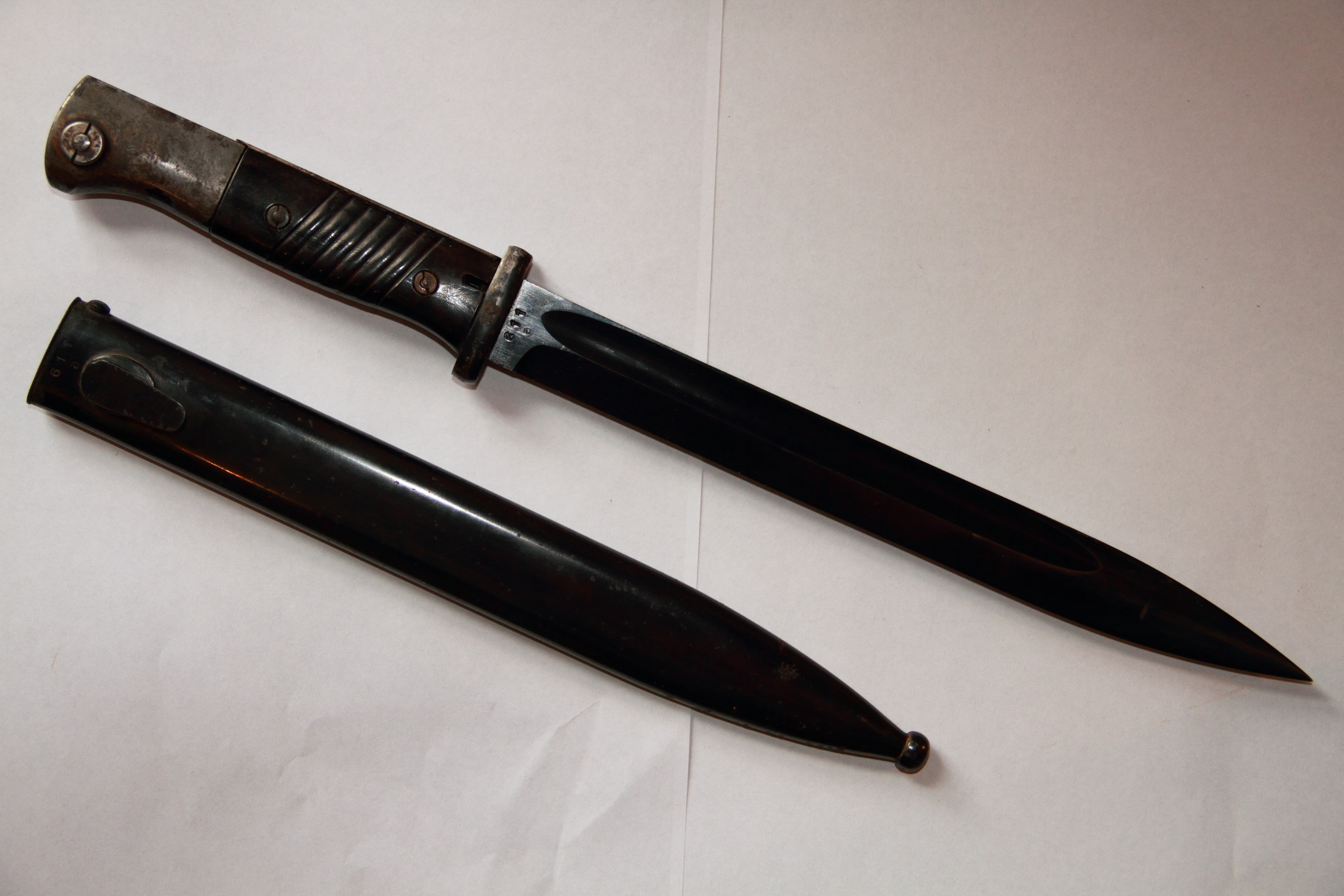



 WWII places, objects and family stories
